Top Climb Spots in NZ
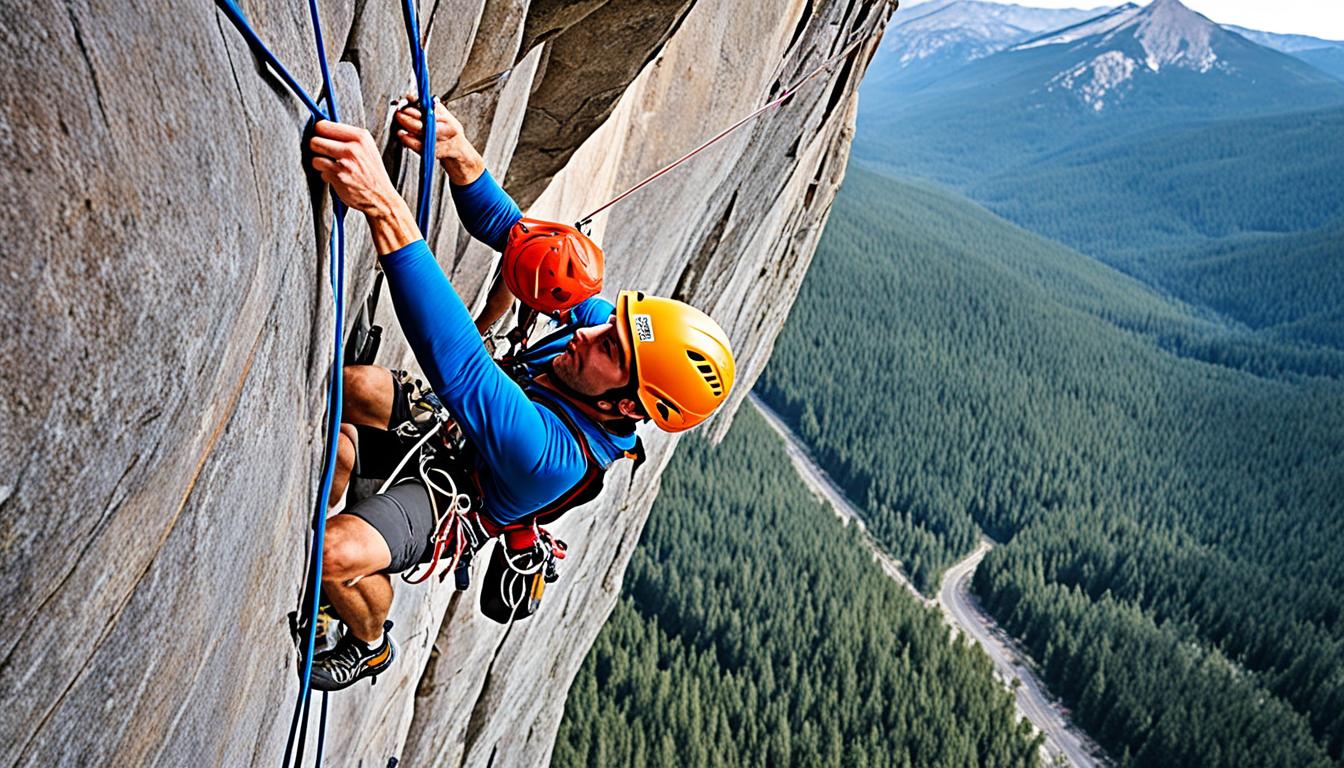
Sports climbing offers a thrilling experience for adventurers seeking challenges and excitement. This form of rock climbing relies on permanent fixed anchors, diverging from traditional methods, and emphasizes endurance, speed, difficulty, and strength.
Traditional Rock Climbing
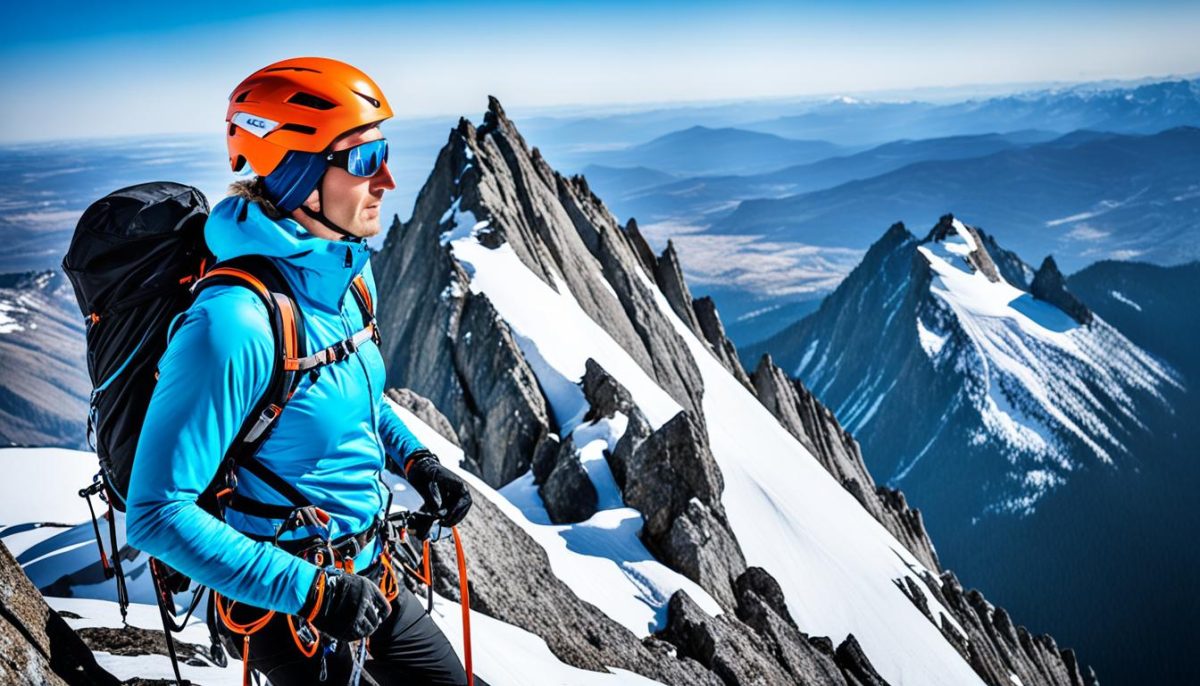
In traditional rock climbing, climbers place removable protection while ascending, contrasting with sports climbing’s reliance on fixed anchors. This distinction impacts safety measures and climbing techniques.
Despite its global popularity, sports climbing faces ethical and geographical restrictions in certain regions. Factors such as local climbing traditions, rock types, and inherent dangers contribute to these limitations.
Prime Climbing Destinations in New Zealand
New Zealand boasts some of the world’s most spectacular climbing spots, each offering unique challenges and breathtaking scenery.
- The Mission (Queenstown) Nestled in Queenstown, renowned as the ‘Adventure Island,’ The Mission stands out as a premier sports climbing destination. Characterized by the high-quality compact schist of Wye Creek, this spot promises exhilarating climbs amidst stunning landscapes.
- Headbanger’s Arête (Wanaka) Situated in Wanaka’s Matukituki Valley, Headbanger’s Arête appeals to climbers of all skill levels. Its prominent arête feature and quality schist provide a satisfying climbing experience, making it a focal point for enthusiasts in the region.
- Payne’s Ford (Golden Bay) Golden Bay’s Payne’s Ford emerges as a top summer climbing destination in Aotearoa. With its diverse collection of crags and well-bolted routes on compact grey limestone, climbers can indulge in a range of challenges amidst the picturesque Takaka River.
- Castle Hill Basin (South Island) Castle Hill Basin offers a unique climbing experience with its abundance of boulders scattered across alpine meadows. Climbers navigate these boulders, which require less friction and present challenges with unconventional holds.
- The Arches (Waikato) Located in Waikato’s Wharepapa region, The Arches captivate climbers with its ignimbrite cliffs and impressive left-facing corners. These features, marked by challenging cruxes, make it a standout climbing spot in the North Island.